
- The CBN is planning to introduce new rules requiring banks to match debit card issuance with ATM capacity
- The apex bank also wants to reduce downtime and improve cash access for Nigerians
- The new policy aims to restore confidence in electronic payments as Nigerians continue to rely on cash
Legit.ng journalist Dave Ibemere has over a decade of experience in business journalism, with in-depth knowledge of the Nigerian economy, stocks, and general market trends.
The Central Bank of Nigeria (CBN) said it will soon introduce new regulations to tighten debit card issuance and improve automated teller machine (ATM) operations across Nigerian banks.
The move is part of its effort to address persistent cash access challenges.

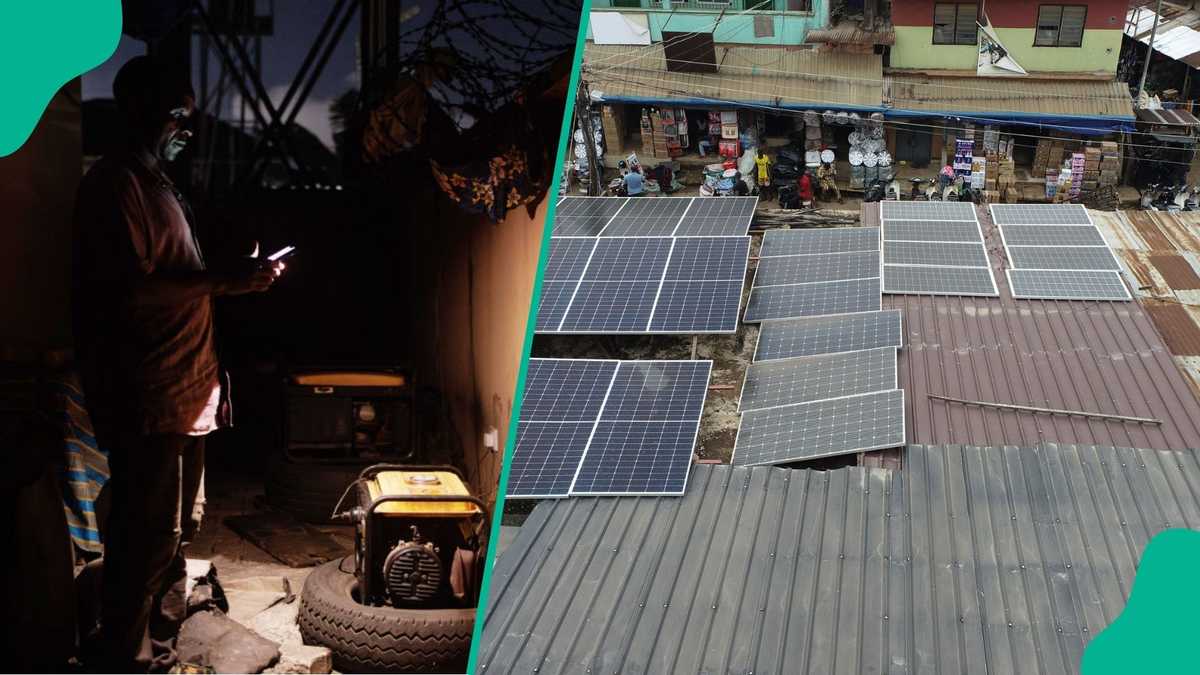
Photo: AFP
Source: Getty Images
CBN Governor Yemi Cardoso, speaking through his Special Adviser Fatai Karim at the 2026 Committee of Heads of Bank Operations Conference over the weekend, said the planned policy would require banks to align the number of debit cards they issue with the capacity of their ATM networks.

The move is also intended to reduce congestion, frequent downtime, and uneven cash availability nationwide.
The CBN said.
“Very soon, the Central Bank will be coming up with another policy to sanitise and improve the situation, particularly around how many cards banks issue relative to the number of ATMs they support.
“When cash access fails, whether due to prolonged ATM outages or uneven distribution, the credibility of the entire payment system is weakened.”
Karim added that the central bank is engaging key industry stakeholders and expects the policy to take effect within months, possibly before the end of the second quarter of 2026.
Vanguard reports that the rules aim to enhance ATM reliability, improve cash distribution, and restore public confidence in Nigeria’s electronic payment system.
Cash outside banks
The announcement comes as Nigeria closed 2025 with a record N5.4 trillion in currency held outside the banking system, indicating a strong preference for cash among households and businesses.

Read also
Send money without internet: NIBSS unveils offline payments to reach millions of Nigerians
Data from the CBN shows that only a fraction of Nigeria’s physical cash remains in deposit money banks, with total currency in circulation reaching N5.7 trillion by December 2025.
The rise in cash outside banks has coincided with broader money supply growth, which reached approximately N124.4 trillion by year-end.

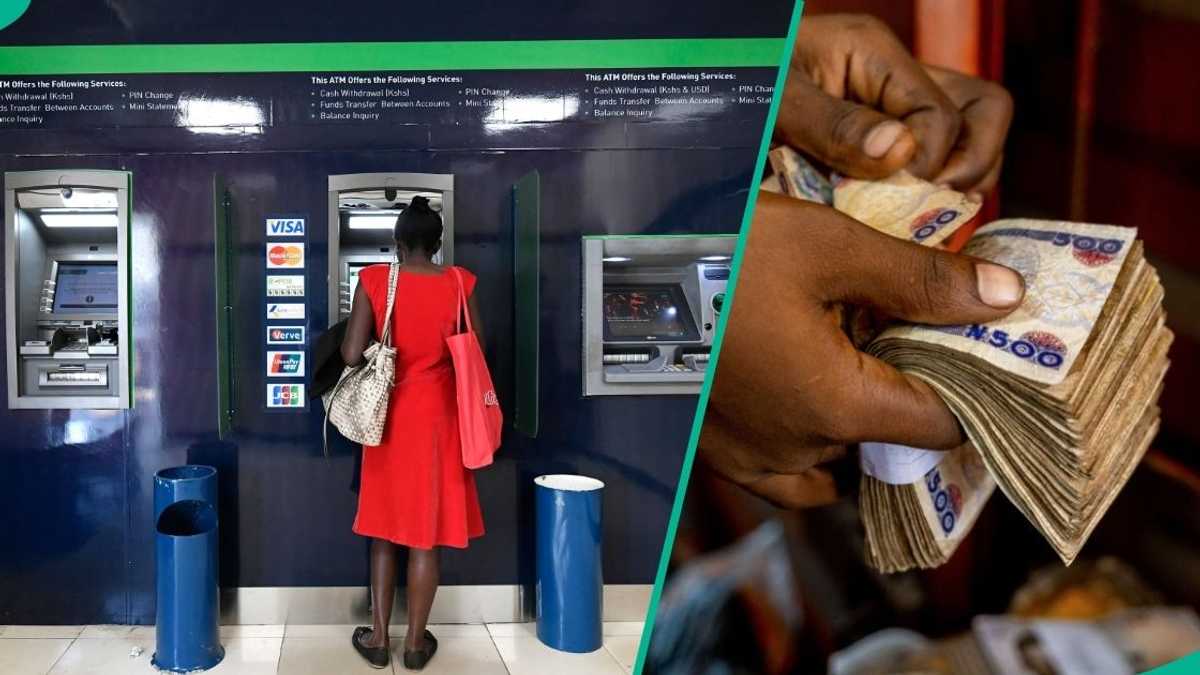
Photo: Bloomberg
Source: Getty Images
Currency outside banks, representing cash held by households, traders, and businesses beyond regulated institutions, surpassed the previous record of N5.125 trillion set in December 2024.
Analysts say the surge underscores the widening gap between formal financial channels and Nigeria’s cash economy, even as regulators push for mobile banking, financial inclusion, and electronic payment adoption, the Sun reports.
Banks issue update on card maintenance fee
Earlier, Legit.ng reported that Nigerian banks have begun deducting a 7.5% Value Added Tax (VAT) on card maintenance fees and other selected electronic banking charges, which kicked off officially on January 19, 2026.
Under the new arrangement, a N50 card maintenance fee now attracts an additional N3.75 as VAT.
Wema Bank customer showed both N50 and N3.75 were removed separately for the same transaction, even though the account balance initially appeared unchanged after the first debit.

Source: Legit.ng