


Introduction: When Nigerian Pop Music Ruled the Moment
There was a time in Nigerian pop music when names like Korede Bello, Reekado Banks, Lil Kesh, and Orezi were impossible to ignore. Between 2014 and 2017, their songs moved freely across every corner of everyday life, shaping moods, conversations, and collective memory. Radio stations played their records on heavy rotation, DJs relied on their intros to ignite dance floors, and their music echoed from buses, hostels, street corners, and house parties. Their popularity did not feel forced or manufactured. It felt earned, organic, and deeply rooted in the environment that produced it, at a time when Nigerian pop music thrived without external pressure.
That period of Afrobeats was defined by ease and confidence. The music was not in a rush to impress global audiences or satisfy streaming algorithms. It existed for the people who lived with it daily, built on catchy hooks, familiar rhythms, and lyrics that spoke directly to shared experiences. Songs were made to be danced to, sung loudly, and replayed endlessly without losing their charm. Success was measured by connection rather than numbers, and relevance lasted longer because it grew naturally through radio, clubs, and word of mouth.
Korede Bello, Reekado Banks, Lil Kesh, and Orezi became lasting symbols of that era because each artist embodied a distinct expression of Nigerian pop culture. Korede Bello’s music carried warmth, optimism, and spiritual undertones that offered comfort and reassurance. Reekado Banks balanced smooth melodies with emotional honesty, creating songs that worked equally well in private moments and public celebrations. Lil Kesh captured the raw excitement of youth culture, translating street energy, slang, and confidence into chart-topping records. Orezi, on the other hand, thrived on groove, delivering dance-driven songs that turned clubs into communal spaces of escape and release.
As Afrobeats expanded beyond Nigeria’s borders, the industry itself began to transform. Streaming platforms replaced radio as the primary gatekeepers, social media visibility became essential, and the pace of success accelerated dramatically. New artists emerged with different sounds, global ambitions, and digital-native strategies. The genre grew louder, broader, and more competitive, demanding constant output and reinvention. In that shift, the music that once dominated effortlessly began to feel tied to a specific cultural moment, even when its quality and intention remained unchanged.
This evolution has often been misread as decline. When listeners notice the quieter presence of Korede Bello, Reekado Banks, Lil Kesh, and Orezi in today’s mainstream conversations, the narrative quickly becomes one of fading relevance. Yet the truth is more layered. These artists did not suddenly lose talent, creativity, or cultural value. The era that elevated them simply gave way to something new. Afrobeats did not reject them — it evolved, and in doing so, quietly closed the chapter on a moment that can never truly be recreated.
The Era They Came From: A Different Music Industry
The Nigerian music industry that produced artists like Korede Bello, Reekado Banks, Lil Kesh, and Orezi operated on an entirely different rhythm. At the time, success was built on radio airplay, club rotations, street acceptance, and the strength of label backing. A hit song did not need constant reinvention to survive. Once a record connected with listeners, it could dominate airwaves and nightlife for months, sometimes longer. Popularity grew slowly, but it stayed rooted because it was reinforced by everyday exposure and genuine audience attachment.
Radio and DJs held enormous power during this period. A song’s journey often begins on the streets or in clubs before spreading to national airplay. DJs acted as tastemakers, while radio stations sustained momentum through heavy rotation. Social media existed, but it was not yet the primary measure of success. Artists were not under pressure to constantly explain themselves online or chase viral moments. The music was allowed to breathe, giving both songs and artists the time to grow into their popularity.
Today’s Afrobeats ecosystem operates under entirely different rules. Streaming platforms, algorithms, TikTok trends, and digital visibility now determine which songs rise and which fade. Relevance has become faster and more demanding, with artists expected to release music frequently, stay active on multiple platforms, and respond quickly to shifting global trends. Attention spans are shorter, competition is fiercer, and silence is often mistaken for irrelevance. In this environment, success is immediate but often fleeting.

For artists whose careers were shaped in an earlier system, adjusting to this new reality has not been easy. The habits that once sustained long-term relevance no longer guarantee visibility. Pauses between releases feel riskier, and music that prioritizes longevity over instant virality can struggle to find space. The transition did not erase their talent, but it did expose the widening gap between two eras of the industry — one built on patience and presence, and another driven by speed, numbers, and constant engagement. If you want, I can keep going section by section and maintain this exact depth and pacing throughout the article.
When the System Changes: Label Power, Independence, and Lost Momentum
Label structure played a crucial role in the rise of Korede Bello, Reekado Banks, Lil Kesh, and Orezi. During their peak years, they benefited from systems designed to amplify visibility and sustain momentum. At Mavin Records, Korede Bello and Reekado Banks enjoyed clear branding, strategic promotion, and consistent access to radio and media platforms. Their releases were carefully positioned, allowing their music to reach wide audiences quickly and repeatedly. Lil Kesh’s emergence under YBNL placed him directly at the heart of street culture and youth-driven music, where timing, energy, and cultural relevance mattered most.
Being part of these powerful label ecosystems meant more than just distribution. Labels provided structure, creative direction, industry connections, and a clear sense of identity. From marketing campaigns to media appearances, every release felt supported by a larger machine. Even Orezi, who operated with more independence, benefited from strong industry backing during his peak years, ensuring his music maintained heavy rotation in clubs and on radio. At the time, label power acted as a stabilizing force that allowed artists to focus primarily on their craft.
The transition away from these systems often came with unexpected consequences. When artists leave or outgrow their labels, the structure that once sustained them begins to disappear. Independence offers freedom, but it also demands a level of strategy, funding, and consistency that is difficult to maintain alone. Without coordinated promotion, releases can struggle to cut through the noise, regardless of quality. Momentum, once lost, is difficult to regain in a crowded industry.
In a fast-moving pop landscape, long gaps between releases can quietly erase relevance. Audiences move quickly, trends shift rapidly, and attention is unforgiving. While independence allows artists to define their own paths, it also exposes them to the full weight of industry competition. For artists who rose within strong label systems, the cost of independence is often not a lack of talent, but the absence of the machinery that once made their presence unavoidable. If you’re ready, we can move straight into Sound Identity and Being Locked to an Era and keep this same depth all the way through.
Sound Identity and Being Locked to an Era: When a Defining Sound Becomes a Time Stamp
Each of these artists rose with a sound that perfectly captured the mood of their time. Korede Bello, Reekado Banks, Lil Kesh, and Orezi were not just making popular music; they were defining what mainstream Nigerian pop sounded like in the mid-2010s. Their records were built around upbeat tempos, memorable hooks, and emotions that leaned toward joy, confidence, and celebration. This clarity of sound helped them stand out quickly, but it also tied their identities closely to a specific cultural moment.
Korede Bello’s music leaned into warmth, spirituality, and romantic optimism, offering listeners comfort and positivity. Reekado Banks carved his space through smooth melodies and emotionally balanced songwriting that worked across radio, clubs, and personal listening. Lil Kesh’s sound was rooted in street culture, slang, and youthful rebellion, giving voice to a generation eager to be heard. Orezi thrived on groove-heavy, dance-driven records that translated effortlessly to nightlife and social spaces. Together, their sounds felt fresh, necessary, and perfectly aligned with the era they dominated.
As Afrobeats evolved, however, audience preferences began to shift. Listeners gravitated toward deeper emotional expression, experimentation, and genre-blending sounds. Vulnerability, introspection, and global influences became more prominent, reshaping what felt modern and exciting. In contrast, sounds that once felt timeless began to feel anchored to a specific period. Even when these artists released quality music, it was often judged against memories of their peak rather than on its own terms.
This is how artists become unintentionally locked to an era. Fans celebrate their past while struggling to fully accept their present. The music is not necessarily worse, but the context has changed. In an industry that constantly rewards novelty, familiarity can become a limitation. For Korede Bello, Reekado Banks, Lil Kesh, and Orezi, their strongest asset — a clearly defined sound — also became the reason audiences struggled to see them outside the moment they helped create.
The Rise of New Afrobeats Stars: When New Voices Redefined the Center of Afrobeats
From around 2018 onward, Afrobeats entered a period of rapid expansion that reshaped the entire industry. The genre moved beyond regional dominance and began to command serious global attention. Nigerian artists were no longer competing only with one another; they were now part of a wider international conversation. This shift brought new opportunities, but it also raised the bar for visibility, branding, and creative evolution. The sound of Afrobeats started to stretch outward, absorbing influences while redefining what success looked like.
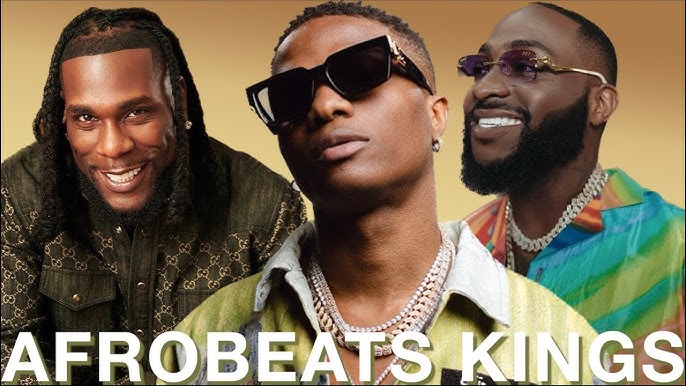
Established stars like Wizkid, Davido, and Burna Boy pushed Afrobeats deeper into global pop culture, collaborating with international artists and performing on major world stages. Burna Boy, in particular, redefined African artistry by blending cultural pride with global ambition, expanding the emotional and thematic depth of Afrobeats. Their success did more than open doors; it changed audience expectations. Afrobeats was no longer judged only by its ability to dominate Nigerian airwaves, but by its capacity to compete internationally.
At the same time, a new generation of artists emerged with fresh sounds and digital-first strategies. Acts like Rema, Fireboy DML, Joeboy, Tems, Omah Lay, Ckay, BNXN (formerly known as Buju), Ayra Starr, Asake, and others arrived with distinct identities, emotional narratives, and global-facing aesthetics. They understood the new rules of the industry — constant online presence, strategic releases, and viral moments. Their music felt modern, experimental, and aligned with the realities of streaming culture, capturing the attention of both local and international audiences.
This influx of talent intensified competition within the industry. Attention became more fragmented, and the space for mid-level stardom began to shrink. In an environment driven by algorithms and trends, artists were either consistently visible or quickly overlooked. The industry became less forgiving of pauses and slower creative cycles. For artists who thrived in an earlier era, maintaining relevance required not just talent, but continuous reinvention and strategic adaptation.
As new stars rose and claimed the spotlight, the narrative around older artists quietly shifted. Their absence from mainstream conversations was often interpreted as a decline, rather than a displacement. Yet this change was less about individual failure and more about structural evolution. Afrobeats had grown louder, faster, and more crowded. In making room for new voices, it inevitably pushed others toward the margins, not because they lacked quality, but because the center of the industry had moved.
Personal Growth, Burnout, and Changing Priorities: When Stepping Back Becomes a Choice, Not a Failure
Not every artist wants to chase fame forever, especially after experiencing it at full intensity. The pressure that comes with public life can be overwhelming, with the constant expectations, public scrutiny, industry politics, and the demand to remain relevant in an unforgiving space. Over time, this pressure can drain creativity and enthusiasm, leaving artists questioning whether the spotlight still aligns with their personal values and long-term happiness. For some, stepping back becomes less about failure and more about self-preservation.
Korede Bello’s journey reflects this shift clearly. Rather than aggressively pursuing chart dominance, he appears more focused on spirituality, inner peace, and personal fulfillment. His public presence suggests a deliberate move toward introspection and purpose beyond commercial success. In an industry that often equates visibility with worth, this quieter path is frequently misunderstood. Yet choosing peace over constant exposure can be a powerful statement in itself, especially in a culture that rarely allows artists to slow down.
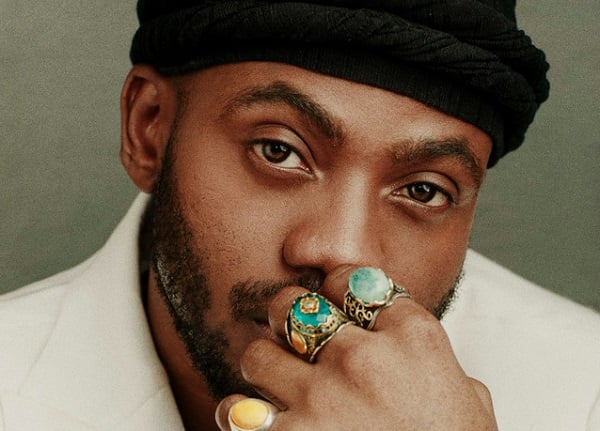
Reekado Banks represents another dimension of changing priorities. While music remains part of his identity, he has also embraced entrepreneurship, owning and running a nightclub alongside his creative pursuits. This move reflects a broader understanding of longevity beyond hit songs. Diversifying interests allows artists to maintain relevance, income, and personal satisfaction without being fully dependent on an industry that can be unpredictable. For many artists, building something sustainable outside music becomes a form of growth rather than retreat.
Stepping back from the spotlight does not erase past success or cultural influence. It simply changes how that success is expressed. The impact Korede Bello, Reekado Banks, Lil Kesh, and Orezi had during their peak years remains intact, living on through memories, nostalgia, and the foundation they helped lay. Growth does not always mean being louder or more visible. Sometimes, it means redefining success on one’s own terms and allowing life beyond fame to take shape.
Conclusion: They Didn’t Fall Off, The Moment Moved On
Korede Bello, Reekado Banks, Lil Kesh, and Orezi did not fade from the spotlight because they lacked talent, vision, or relevance. They rose during a specific cultural window in Nigerian pop music, one shaped by radio dominance, street acceptance, club rotations, and collective listening experiences. Their success was built on timing, connection, and a sound that spoke directly to the emotions and realities of that period. As Afrobeats expanded, modernized, and repositioned itself for global audiences, the environment that once amplified their voices naturally evolved. What appears, on the surface, as decline is better understood as the end of an era that operated by very different rules.
Their music continues to carry cultural weight because it is deeply tied to memory rather than metrics. These songs were not just background noise; they soundtracked real moments in people’s lives. They played during celebrations, heartbreaks, carefree nights, and formative years when Nigerian pop music felt intimate and personal. Long after trends fade and playlists change, those memories remain intact. This kind of impact cannot be replicated by virality or measured solely by streaming numbers. It lives quietly in nostalgia, resurfacing whenever a familiar intro plays and instantly transports listeners back to a different time.
Beyond nostalgia, their influence remains embedded in the structure of modern Afrobeats. Many of today’s stars benefited from the groundwork laid by artists like Korede Bello, Reekado Banks, Lil Kesh, and Orezi. They helped normalize Nigerian pop dominance at home, expanded the audience for mainstream Afrobeats, and shaped expectations for what a hit song could sound like. Before global success became the ultimate benchmark, they proved that local acceptance alone could create stars, movements, and lasting cultural moments.
Afrobeats, like any living genre, must constantly evolve to survive. In doing so, it rewards novelty, speed, and reinvention, often at the expense of patience and longevity. Relevance becomes seasonal, and attention shifts quickly to whatever feels new. In this system, artists who thrived in slower, more organic eras are often pushed aside, not because they failed, but because the center of the industry moved. Evolution is not rejection; it is simply progression, and progression always leaves something behind.
For those who lived through that mid-2010s period, the music remains timeless. It represents a moment when Nigerian pop music felt young, joyful, and limitless, when songs were allowed to grow naturally, and success felt less performative. Korede Bello, Reekado Banks, Lil Kesh, and Orezi did not fall off. They completed their moment. And in an industry obsessed with what comes next, there is something powerful about artists whose legacy is already secure, preserved in memory, influence, and a chapter of Afrobeats history that can never truly be recreated.
Read More: Sampled Sounds: How Nigerian Artists Are Reviving Old Classics for New Hits