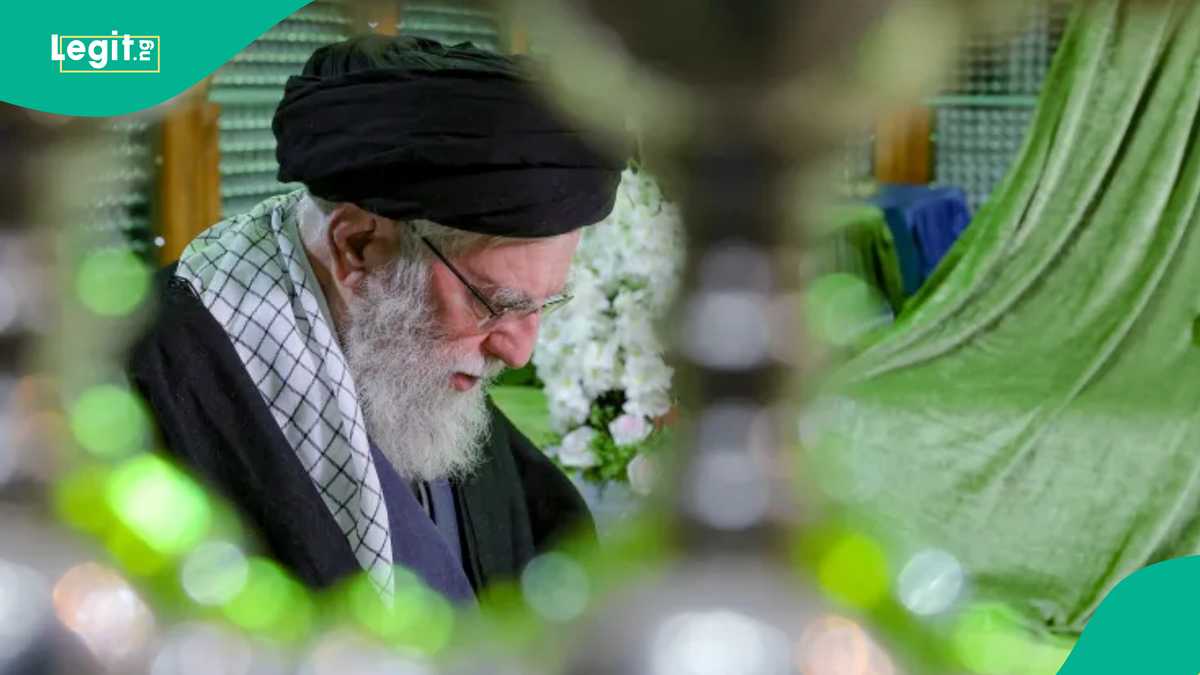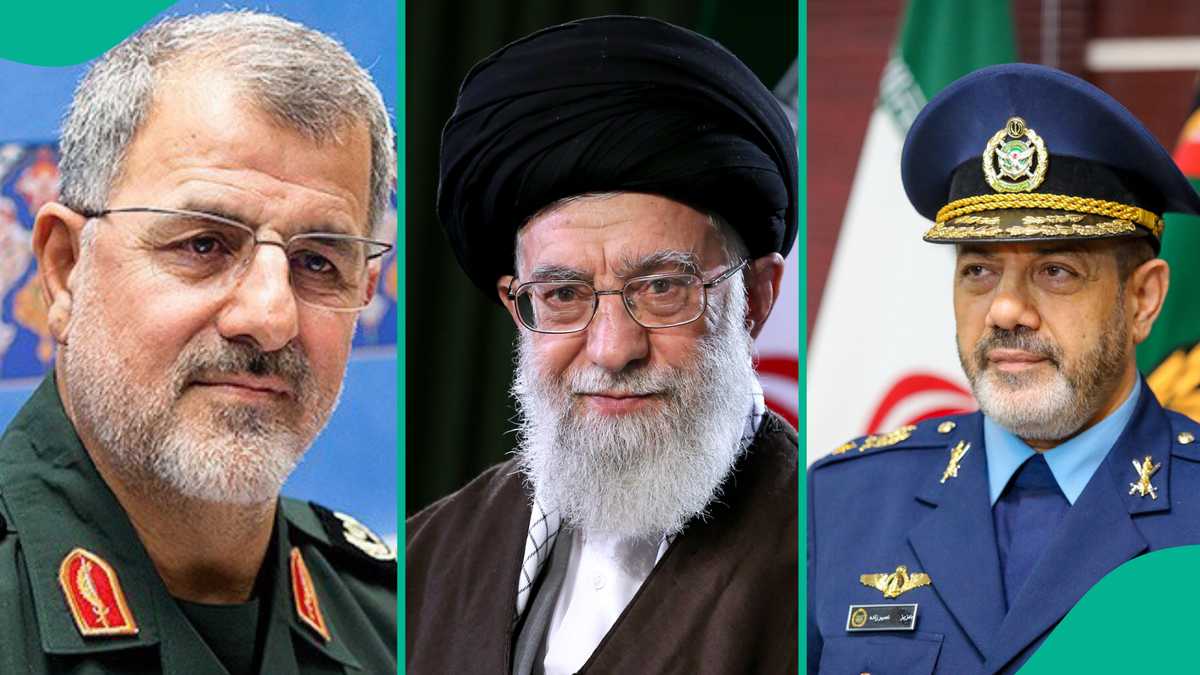

- Iran’s Supreme Leader Ayatollah Ali Khamenei was confirmed killed, escalating tensions in the Middle East zone
- Nigerian students and workers abroad face increased safety risks amid the ongoing conflict in the Gulf region
- The President Bola Ahmed Tinubu-led federal government issued a travel advisory as Nigerians experience disruptions
Legit.ng journalist Ridwan Adeola Yusuf has over 9 years of experience covering world news and global affairs.
Tehran, Iran – Multiple Iranian state media have confirmed the death of Iran’s Supreme Leader Ayatollah Ali Khamenei.
US President Donald Trump called Khamenei “one of the most evil people in history” and urged Iranians to “take back their country.”

Source: Twitter
The joint US-Israel strikes on Saturday, February 28, hit targets across Iran, with one killing over 100 girls at an elementary school near a military base.
Iran is unleashing fresh attacks after Khamenei’s assassination.
Nigerians abroad affected by Iran crisis

In light of this development, Legit.ng highlights five categories of Nigerians who are most affected by the conflict in Iran.
1) Nigerian students in Iran and the Middle East
Based on recent reports and estimates, as of early 2026, the population of Nigerian students in Iran ranges between 500 and 1,500. In the broader Middle East, particularly in Saudi Arabia, the population is higher, with over 850 Nigerian students enrolled in Saudi universities, The Nation noted.
Many of these Nigerians now face uncertainty and safety concerns due to rising military tensions.
Saudi Arabia is an ally of the US.
2) Nigerian workers in Gulf nations
There are dozens of Nigerian workers in the Middle East, with the United Arab Emirates (UAE) serving as a major hub. Estimates of the Nigerian population working and living in the UAE vary, with recent data suggesting a range between 80,000 and 150,000. Other reports specifically citing the Nigerian-born population in the UAE put the number closer to 100,000.

Some run their own businesses, others work as car-hailing drivers, and some take on menial jobs.
Nigerian billionaires like Aliko Dangote and Abdul Samad Rabiu have homes in the UAE.
Legit.ng reports that as Middle East instability grows, Nigerians working in countries like the UAE, Qatar, Kuwait, Saudi Arabia and Bahrain could see their routine life disrupted by heightened security alerts.
3) Nigerian travellers and professionals
Nigerians visiting Iran or Gulf countries for business or career purposes may face flight disruptions and changes to travel plans due to airspace closures and airline adjustments.
Governments worldwide have updated their advisories, urging citizens to stay aware of safety warnings and monitor evolving conditions.
A video showing the aftermath of an Iranian strike at Dubai International Airport can be viewed below via X:
The federal government of Nigeria issued a travel advisory to its citizens residing in or visiting Iran and neighbouring Gulf countries following escalating military actions in the Middle East.

Read also
US-Israel vs Iran War: Video shows how Afrobeats star Asake returned to Nigeria from Dubai
In a statement signed by Kimiebi Ebienfa, spokesperson of the ministry of foreign affairs, the Bola Tinubu-led government said it is closely monitoring the “evolving and volatile situation” in the Middle East.

Source: Twitter
The Cable quoted the ministry as saying:
“All Nigerians in Iran and affected Gulf countries are advised to remain extremely vigilant and conscious of their surroundings at all times.”
4) Families with loved ones in conflict zones
Nigerians have established a significant global presence, with diaspora communities found on every continent.
Relatives of Nigerians living in or passing through Iran and neighbouring Gulf states are facing anxiety and uncertainty as they track safety updates and government advisories amid rising tensions in the region.
5) Nigerian pilgrims in Middle East
Groups of Nigerian pilgrims travelling to holy sites in the Middle East may face disruptions due to heightened security alerts and movement restrictions. Authorities have urged travellers to stay updated on the latest advisories.
For instance, on Saturday, February 28, the Christian Association of Nigeria (CAN) in Kaduna State reassured Nigerians that Christian pilgrims from the state currently in Israel are safe, despite escalating tensions in the region. This reassurance comes amid growing global concern over the ongoing conflicts involving Iran, Israel, and the United States.

Reverend Maaji Caleb, the chairman of the Kaduna State chapter of CAN, gave the assurance on Saturday, February 28, according to The Punch.
Trump responds to Iran’s threat
Earlier, Legit.ng reported that US President Trump warned Iran not to attack the American assets in the Middle East.
Trump stated that if such is continued, the US will not hesitate to hit the country with unprecedented force.
Source: Legit.ng