
Introduction: Why Fan Base Wars Matter in Afrobeats
Afrobeats has solidified its position as one of the most dynamic and influential global music movements of the 21st century. What started as a distinctly Nigerian fusion of highlife, hip-hop, dancehall, Fuji, and traditional African sounds has grown into a worldwide cultural force, with its leading artists consistently breaking streaming records, headlining major international festivals, selling out arenas, and collaborating with global superstars across genres. This extraordinary rise is powered not only by the undeniable creativity, charisma, and innovation of the artists themselves but also by the extraordinary dedication of their fan communities. Groups such as Wizkid FC, 30BG (the devoted supporters of Davido), and Burna Boy’s Outsiders have transformed conventional music fandom into highly organized, digitally savvy movements. These fan bases function almost like strategic armies, capable of mobilizing millions of people to stream songs on repeat, push hashtags to global trending status, defend their favorite artists in online debates, shape public narratives, and even influence industry decisions in meaningful ways.
Fan base wars have become an inseparable and defining element of contemporary Afrobeats culture. These intense online rivalries, played out daily across Twitter, Instagram, TikTok, and other platforms, often involve passionate supporters of different artists engaging in everything from lighthearted banter and creative meme battles to fierce arguments over streaming numbers, award wins, chart positions, tour grosses, artistic legacy, and overall supremacy within the genre. A casual comparison between discographies or vocal abilities can quickly escalate into coordinated campaigns of praise for one artist and pointed criticism of another. This competitive energy has undeniably injected massive visibility and momentum into Afrobeats as a whole. The wars turn routine song releases, album drops, and award nominations into global events, keep the genre in constant conversation, attract curious new listeners drawn by the drama, and inspire an endless stream of fan-created content that further amplifies the music’s reach.
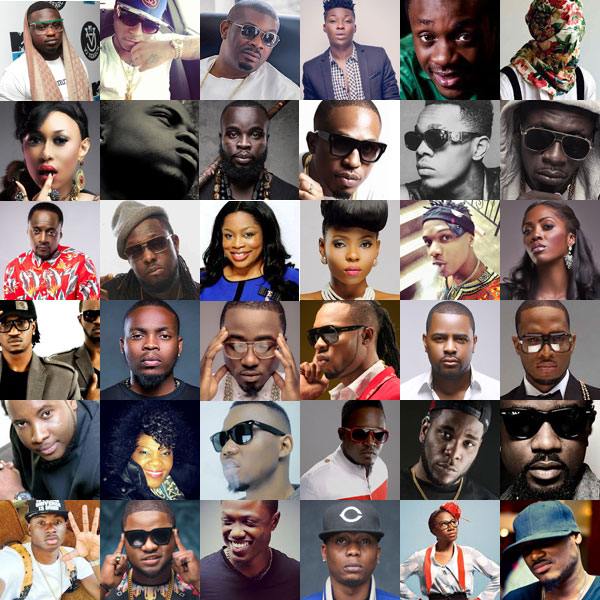
While the passion and dedication of these fan communities represent one of Afrobeats’ greatest strengths, the rivalries frequently cross into more troubling territory. What begins as spirited competition can devolve into toxic exchanges filled with personal insults, derogatory nicknames, cyberbullying, and occasionally even threats. Such negativity not only distracts from the actual music but also creates unnecessary divisions within the broader Afrobeats family. Instead of celebrating the collective success of African music on the world stage, these conflicts sometimes foster an atmosphere of tribalism that pits fans—and by extension, artists—against one another. This raises important questions about the long-term health of the genre: Does the current level of fan-driven rivalry ultimately fuel growth, or does it risk undermining the unity that could take Afrobeats even further?
The phenomenon of fan base wars, therefore, embodies both the extraordinary power and one of the most significant challenges facing Afrobeats today. On one hand, these organized, highly vocal communities have played a crucial role in propelling the genre to unprecedented global heights, creating a sense of urgency, belonging, and worldwide conversation around African music that few other genres can match. On the other hand, the intensity of the rivalries prompts serious reflection on the need for greater mutual respect, constructive dialogue, and a shared vision for the future of the movement. As Afrobeats continues to expand its influence—potentially reaching even greater heights when its biggest stars collaborate rather than compete—the way these passionate fan bases choose to channel their energy may well determine whether the genre evolves into a truly harmonious and unstoppable global cultural force or remains partially defined by internal division.
In the end, the story of modern Afrobeats is no longer just about the incredible songs, groundbreaking productions, or charismatic performers. It is equally about the millions of fans who love the music so deeply that they are willing to fight for it—sometimes literally online—every single day. These fan base wars matter because they reveal both the immense collective power that organized fandom can generate and the delicate balance required to ensure that power serves the greater good of the genre rather than fracturing it. How Afrobeats navigates this tension in the years ahead will play a decisive role in shaping not only its commercial success but also its cultural legacy on the world stage.
Understanding fan base wars is essential to understanding modern Afrobeats. They influence how artists are perceived, how success is measured, and how the genre evolves on the global stage. As Afrobeats continues its rapid expansion, the question is no longer whether fan bases matter—they clearly do—but how their power can shape the culture positively without tearing it apart. In many ways, the future of Afrobeats will be determined not just by the artists but by the communities that stand behind them.
The Rise of Fan Base Culture in Afrobeats: How Fan Bases Are Driving Afrobeats’ Global Popularity
The emergence of fan base culture in Afrobeats is deeply intertwined with the rise of social media and the dominance of streaming platforms. As Afrobeats crossed continental borders and entered global markets, the relationship between artists and listeners fundamentally changed. Fans were no longer just consumers of music; they became active participants in building careers, shaping narratives, and sustaining relevance. Platforms like Twitter (X), Instagram, TikTok, and Spotify created a space where every stream, post, and interaction could directly contribute to an artist’s success, giving fans a sense of ownership and responsibility over the music they loved.
This shift transformed fandom into a highly organized digital operation. Streaming parties are now carefully coordinated to boost first-week numbers, while hashtag campaigns are launched to trend albums, singles, and even personal milestones of artists. Fan-driven promotions, ranging from viral clips to crowd-sourced artwork and edits, often reach wider audiences than label-backed advertising. Online debates and comparisons further keep artists in constant circulation, ensuring that Afrobeats remains visible in global conversations. In this environment, strong fan bases function as powerful digital marketing engines, sometimes outperforming traditional promotion in speed, reach, and consistency.
As competition intensified, fan bases began to view success as something measurable and defendable. Chart positions, award nominations, international collaborations, and tour statistics became symbols of dominance, regularly shared as proof of superiority. Fans track data obsessively, celebrate wins collectively, and respond aggressively to perceived slights against their favorite artists. This competitive mindset has helped push Afrobeats artists to unprecedented heights, but it has also turned music appreciation into a numbers-driven contest where emotional connection is often overshadowed by performance metrics.
Fan loyalty in Afrobeats has therefore been redefined. Where devotion was once expressed through buying albums, attending concerts, and spreading word of mouth, it is now measured in tweets, streams, retweets, and trending topics. Digital presence has become the new currency of fandom, and silence is often interpreted as disloyalty. This evolution reflects not just a change in how fans support artists, but a broader shift in how success is constructed in modern music—one where collective online energy can shape careers, narratives, and even the global future of Afrobeats itself.
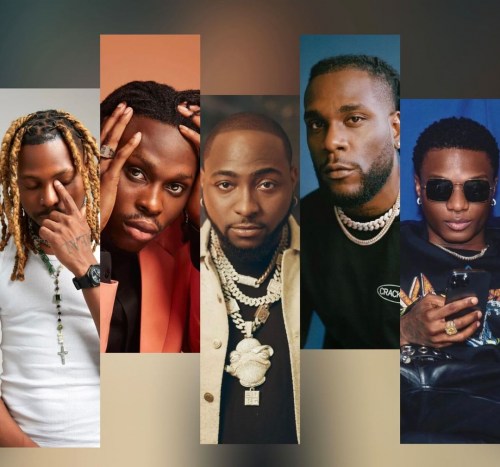
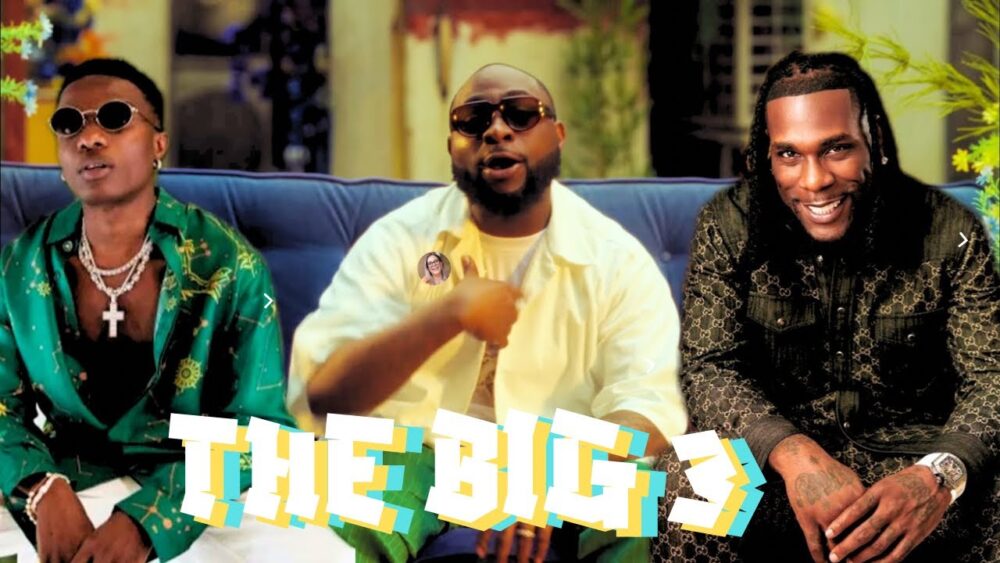
Among the many fan communities within Afrobeats, Wizkid FC, Davido’s 30BG, and Burna Boy’s Outsiders stand out as the most influential due to their size, organization, and ability to shape online narratives. These three fan bases do more than support music releases; they actively define how success, greatness, and cultural relevance are discussed within the genre. Their constant presence across social media platforms ensures that conversations around Afrobeats are rarely neutral, often framed through loyalty, comparison, and competition. Together, they form the core of Afrobeats’ fan-driven ecosystem, setting the tone for how fandom operates across the industry.
Wizkid FC: Legacy, Influence, and Global Prestige
Wizkid FC, in particular, is known for its focus on legacy, cultural influence, and global prestige. Supporters of Wizkid often position him as a generational artist whose impact extends beyond numbers and trends. The fan base regularly highlights his role in shaping the modern Afrobeats sound, his early crossover moments, and his collaborations with international stars that helped introduce African music to wider audiences. For Wizkid FC, success is measured less by daily chart battles and more by long-term cultural milestones—moments that reinforce Wizkid’s place in global music history rather than temporary dominance.
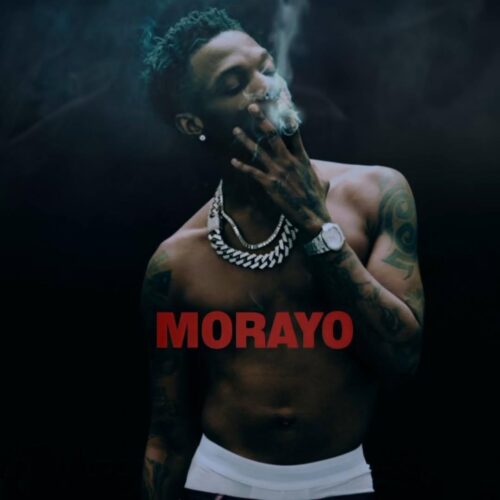
Unlike more constantly vocal fan bases, Wizkid FC tends to engage selectively, choosing moments they consider culturally significant. Global chart breakthroughs, iconic festival performances, major international awards, and recognition from global tastemakers often trigger intense but calculated activity. This approach reflects a belief in longevity over constant noise, and influence over sheer volume. By emphasizing restraint and prestige, Wizkid FC presents its fandom as refined and legacy-driven, reinforcing the narrative of Wizkid as an artist whose relevance is sustained by timeless impact rather than relentless online confrontation.
30BG: Visibility, Loyalty, and Consistency
Davido’s 30BG (30 Billion Gang) is widely recognized as one of the most active and visible fan bases in Afrobeats. Unlike fan communities that focus on selective engagement, 30BG thrives on constant interaction and emotional connection, making Davido’s music and milestones a daily topic of conversation across social media. From celebrating chart-topping releases to defending him during controversies, 30BG maintains a level of intensity and accessibility that keeps their artist in the public eye at all times. This visibility has helped Davido build a persona of both relatability and dominance, ensuring that his presence is felt in every digital and cultural conversation surrounding Afrobeats.
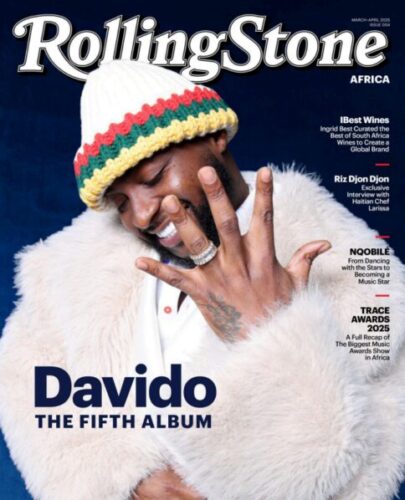
The strength of 30BG lies not only in numbers but also in consistency and collective energy.
Coordinated streaming efforts, trending hashtags, and community-driven campaigns ensure that Davido’s releases perform exceptionally well, both locally and internationally. Beyond digital metrics, 30BG represents a model of grassroots loyalty, where success is measured by collective support and shared pride rather than individual acclaim. Their persistence and organization have made them a benchmark for fan engagement in Afrobeats, demonstrating the power of a dedicated, mobilized community in shaping an artist’s global trajectory.
Outsiders: Artistry, Rebellion, and African Identity
Burna Boy’s fan base, known as Outsiders, is one of the most distinctive and influential communities in Afrobeats, defined by a focus on artistry, authenticity, and African cultural pride. Unlike fan bases that center around chart dominance or constant online presence, Outsiders rally around Burna Boy’s creative vision and genre-defying approach. They celebrate his willingness to push boundaries, experiment with sound, and remain true to African identity, positioning him as a symbol of both innovation and cultural leadership. For Outsiders, fandom is as much about shared values and artistic respect as it is about music consumption, creating a community that prides itself on understanding the deeper significance of Burna Boy’s work.
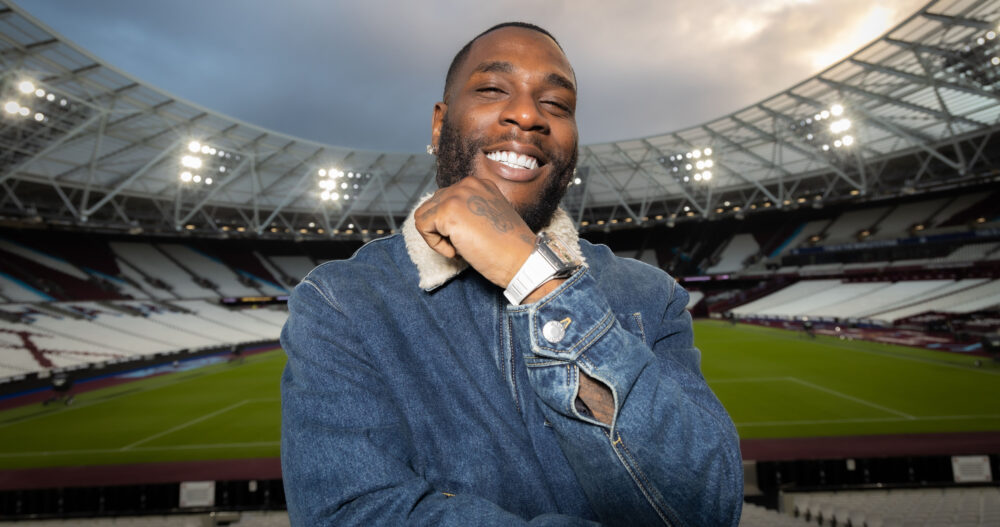
The Outsiders’ influence is also reinforced by Burna Boy’s tangible achievements, which give the fan base considerable bragging rights. International awards, high-profile collaborations, and sold-out global tours serve as proof of Burna Boy’s widespread acclaim and artistic credibility. Streams, chart performance, and award wins become metrics that validate the fan base’s loyalty, allowing them to assert their artist’s superiority not just in online debates but in measurable accomplishments recognized worldwide. These milestones allow Outsiders to confidently highlight Burna Boy’s position as a global Afrobeats ambassador whose success transcends trends and fads.
In addition to accolades and metrics, Outsiders thrive on narratives of rebellion and independence, often framing Burna Boy as a disruptor challenging mainstream norms and commercial pressures. Live performances, cultural statements, and genre-defining releases are celebrated as evidence of his commitment to authenticity and artistic maturity. By combining global recognition with a message rooted in African identity, Outsiders craft a unique form of fan pride—one that blends measurable success with cultural significance. This dual emphasis on artistry and achievement ensures that Outsiders remain a formidable presence in Afrobeats, capable of shaping both digital conversations and global perceptions of the genre.
The Dark Side of Afrobeats Fandom: When Fan Wars Turn Toxic
Fan base wars in Afrobeats often begin as playful competition, but they can quickly escalate into toxic behavior when passion turns into obsession. Healthy rivalry encourages engagement, promotes music, and celebrates artists’ achievements, but toxicity arises when debates move beyond music into personal attacks and hostility. Online platforms amplify this effect, providing anonymity and reach, which can embolden fans to exaggerate claims, spread selective statistics, or even circulate misinformation. In these environments, an artist’s accomplishments are sometimes minimized, discographies are reduced to numbers, and historical contributions are rewritten to fit a particular fan narrative, undermining the very foundation of appreciation for the music.
This toxic dynamic creates ripple effects across the Afrobeats community. Instead of fostering collaboration and cultural celebration, fan base wars can sow division and tension among audiences who might otherwise share a love for the same genre. Debates meant to highlight artistry and success often devolve into arguments over superiority, reducing complex careers to simple contests of numbers or popularity. This obsession with “winning” can overshadow the emotional and cultural impact of the music itself, shifting focus away from creativity, storytelling, and artistry toward rankings, streams, and social media clout.
Artists themselves are not immune to the consequences of toxic fan wars. Many are placed into rivalries they may not even acknowledge, forced to respond to comparisons or defend themselves against fan-driven narratives. The pressure of managing fan expectations and navigating digital controversies can affect their public image, collaborations, and creative decisions. In some cases, the toxicity directed at or between fan bases can escalate into harassment, targeted attacks, or public backlash, creating stress and distraction for the very artists these communities are meant to support.
Ultimately, the toxicity of fan base wars damages meaningful music discourse. It encourages short-term, attention-driven interactions rather than thoughtful engagement with artistry, cultural influence, and creative evolution. When the conversation is dominated by conflict and exaggeration, fans lose sight of the music that brought them together, and the genre’s reputation can suffer. Recognizing the patterns of toxicity is essential for fostering a healthier fan culture, one that celebrates competition without compromising respect, values artistic achievement, and prioritizes music over conflict.
The Business Reality Behind Afrobeats Fan Rivalries: How Fan Rivalries Shape Afrobeats’ Global Success and Market Value
While fan base wars in Afrobeats can appear fierce and deeply personal, the business reality paints a different picture. At the top level, artists like Wizkid, Davido, and Burna Boy operate within the same global ecosystem, sharing producers, streaming platforms, festival stages, and international audiences. Each milestone achieved by one artist—whether it’s a Grammy nomination, a chart-topping single, or a sold-out world tour—does not exist in isolation. Instead, these achievements collectively elevate Afrobeats on the world stage, increasing opportunities, visibility, and commercial value for the entire genre. In this way, competition among fan bases, though intense, indirectly benefits all artists by drawing attention to the genre as a whole.
Fan bases often prioritize different measures of success, reflecting their distinct philosophies and the identities of the artists they support. Wizkid FC, for instance, places a premium on legacy and cultural influence, celebrating milestones that signify long-term relevance and global prestige. 30BG, Davido’s loyal army, measures success through numbers—streaming figures, trending topics, and consistent online engagement that reflect visibility and active fan participation. Burna Boy’s Outsiders, meanwhile, emphasize artistry and cultural impact, championing creativity, originality, and African identity as key markers of achievement. These divergent approaches illustrate how fan bases define value differently while still contributing to the broader success of Afrobeats.
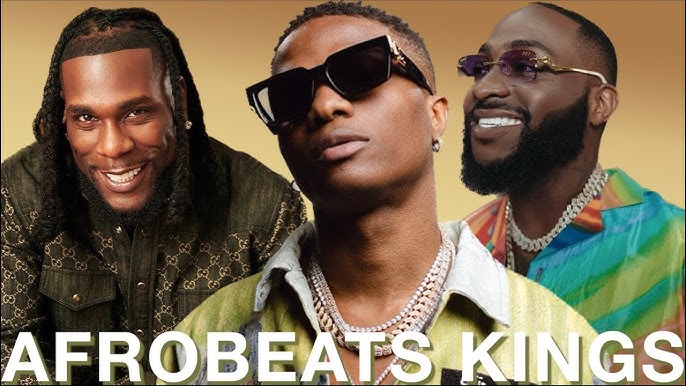
Despite these differences, the success metrics of each fan base are not mutually exclusive; they intersect and reinforce one another in meaningful ways. A Grammy win, for example, satisfies Outsiders’ focus on artistry and international recognition while also enhancing Wizkid FC’s narrative of global influence and 30BG’s celebration of measurable success. Similarly, strong streaming numbers feed into 30BG’s objectives while boosting the visibility of the genre for all artists. In this sense, fan rivalries—though often framed as zero-sum conflicts—exist within a shared ecosystem where every victory can have ripple effects that benefit multiple stakeholders.
Understanding these dynamics reveals the symbiotic nature of Afrobeats’ growth. Fan bases, while competitive, collectively drive the genre’s expansion by amplifying success, creating narratives, and sustaining global attention. The rivalries that seem divisive online actually underpin a larger business reality: Afrobeats thrives not just because of individual artists, but because of the passionate communities that support them, each contributing in its own way to the international stature of African music. By recognizing this interconnectedness, fans and industry stakeholders alike can appreciate the dual power of competition and collaboration in shaping the global future of Afrobeats.
Beyond the Big Three: Afrobeats Artists and Their Loyal Fan Communities
While Wizkid FC, 30BG, and Outsiders are the most widely recognized fan communities in Afrobeats, the genre is supported by a vast network of loyal and organized fan bases for other artists, each contributing uniquely to the culture, chart performance, and global momentum of African music. These communities not only celebrate the successes of their favorite artists but also actively engage in streaming, social media campaigns, and fan-driven promotions that help define trends, sustain visibility, and influence narratives. In many ways, these fan bases function as cultural amplifiers, ensuring that new releases, viral moments, and artist milestones reach both local and international audiences.
Some notable fan bases include YBNL Mafia and Baddo Army, who passionately support Olamide and have maintained his dominance in the Nigerian music scene for years. Rema’s supporters, known as Ravers, and Tems’ The Rebel Gang emphasize creative innovation and digital engagement, helping their artists achieve both domestic recognition and global visibility. The Mavin Nation fan base, representing multiple label artists such as Rema, Ayra Starr, Crayon, and Ladipoe, demonstrates the power of label-driven fandom in sustaining a collective brand identity while boosting individual careers. Asake’s Terminators, Odumodublvck’s Katakata Rangers, Ruger’s Ru Nation, and Victony’s Outlaws similarly play key roles in maintaining momentum, trending online, and amplifying their artists’ impact.

Female and emerging artists also command highly active fan communities that drive cultural relevance. Ayra Starr’s Mob Starrs and Star Girls, Shallipopi’s Plutomanias, and Omah Lay’s Purple Gang and Angels all contribute to shaping online conversations, organizing streaming campaigns, and supporting tours and events. Naira Marley’s Marlians exemplify a fan base built around lifestyle, attitude, and street culture, often influencing not just charts but broader cultural trends in Nigeria and beyond. Each of these communities has its own unique identity, rituals, and online strategies, reflecting the personality of the artist while reinforcing Afrobeats as a genre defined by engagement and community participation.
Collectively, these fan bases are more than just supporters; they are engines of influence and cultural preservation. They help break new artists, sustain local relevance, and keep Afrobeats culturally dynamic by ensuring that every release, trend, and milestone is amplified beyond the music itself. In an era where digital presence translates directly into commercial success and global recognition, understanding these fan bases is essential to understanding the full ecosystem of Afrobeats, where fandom, culture, and commerce intersect to shape the genre’s future.
How Fan Bases Can Support Artists in a Healthy Way
Healthy fan bases in Afrobeats prioritize music, artistic growth, and meaningful conversation over conflict and comparison. Instead of resorting to hostility, personal attacks, or misinformation, supportive communities engage in discussions about an artist’s discography, live performances, creative evolution, and cultural influence. By centering the conversation around the music itself, fans help elevate the quality of discourse, encouraging both artists and audiences to focus on substance rather than noise. This approach not only strengthens the bond between artist and audience but also fosters a more respectful and constructive digital culture within Afrobeats.
Beyond conversation, fan bases have a tangible impact on an artist’s commercial success and visibility when they operate in a positive, organized way. Coordinated streaming efforts, trending hashtags, and social media campaigns can push songs to higher chart positions, increase playlist placements, and boost algorithmic recommendations, giving artists sustained exposure. Fans who actively engage with content, sharing music, creating edits, and promoting tours, contribute to broader awareness, helping artists reach new audiences locally and internationally. In this way, fan support becomes a powerful tool for growth, allowing Afrobeats artists to compete globally while strengthening the genre’s overall presence and appeal.
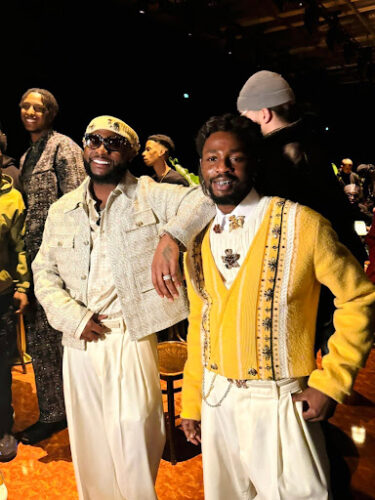
When fan bases focus on celebration rather than insecurity or rivalry, they help maintain Afrobeats’ credibility, unity, and long-term global respect. Highlighting achievements, milestones, and creative innovation without tearing down other artists ensures that competition remains healthy and productive. This kind of fandom fosters a collaborative environment in which multiple artists and fan communities can thrive simultaneously, contributing to the genre’s cultural richness and international prominence. By championing music over conflict, fan bases not only support their favorite artists but also play a vital role in shaping Afrobeats into a globally respected and sustainable movement.
Conclusion: Fan Base Wars Are Powerful, but Unity Builds Legacy
Fan base wars are an inevitable consequence of passion, pride, and the hyper-connected digital culture that defines modern Afrobeats. These rivalries reflect the deep emotional investment fans have in their favorite artists, turning every new release, milestone, and award into a shared moment of celebration or debate. Communities like Wizkid FC, 30BG, and Outsiders, along with numerous other fan bases, have transformed music fandom into a powerful cultural force capable of shaping narratives, amplifying streams, and generating international attention. Their energy, organization, and loyalty have played undeniable roles in elevating Afrobeats from a regional sound to a global phenomenon, proving that fan engagement is a cornerstone of the genre’s success.
Yet, while these competitions can drive visibility and excitement, they also carry risks when taken to extremes. Fan base wars can devolve into personal attacks, misinformation, and toxic online behavior, creating divisions that distract from the music itself. When rivalries become the primary focus, discussions about artistry, creativity, and cultural impact are overshadowed by arguments over numbers, awards, or perceived superiority. This dynamic can undermine the very communities that fuel Afrobeats’ growth, highlighting the importance of balancing passion with responsibility, and influence with respect.
Afrobeats reaches its full potential when competition is channeled constructively, fueling creativity rather than division. Healthy rivalries encourage artists to innovate, experiment, and refine their craft, while fans continue to engage, celebrate, and support their favorites. The genre’s strength lies not in one artist’s dominance, but in the diversity of talent, the richness of cultural expression, and the variety of fan communities that sustain it. When fan bases collaborate in celebration rather than conflict, they help foster an environment where the genre can flourish creatively and commercially on a global scale.
The collective growth of Afrobeats depends on recognizing that every milestone—whether a chart-topping single, sold-out tour, or international award—benefits the genre as a whole. When an artist succeeds, their fan base gains bragging rights, but the attention and prestige also elevate other artists, create opportunities for emerging talent, and strengthen Afrobeats’ global footprint. Fan communities that focus on celebration, streaming support, and cultural promotion contribute to a sustainable ecosystem, where individual wins reinforce collective success and ensure the genre continues to grow in influence and relevance worldwide.
Ultimately, fan base wars demonstrate the immense power of passionate communities, but legacy is built through unity, respect, and shared cultural pride. Afrobeats thrives when its supporters prioritize music, artistry, and meaningful engagement over conflict, ensuring that competition drives progress rather than discord. When Afrobeats wins, every artist, every fan base, and the global community of listeners wins too—cementing the genre not just as a sound, but as a movement with enduring cultural significance.
Read More: Spotify Wrapped in Nigeria: What 2024 and 2025 Reveal About a Nation Driven by Music