

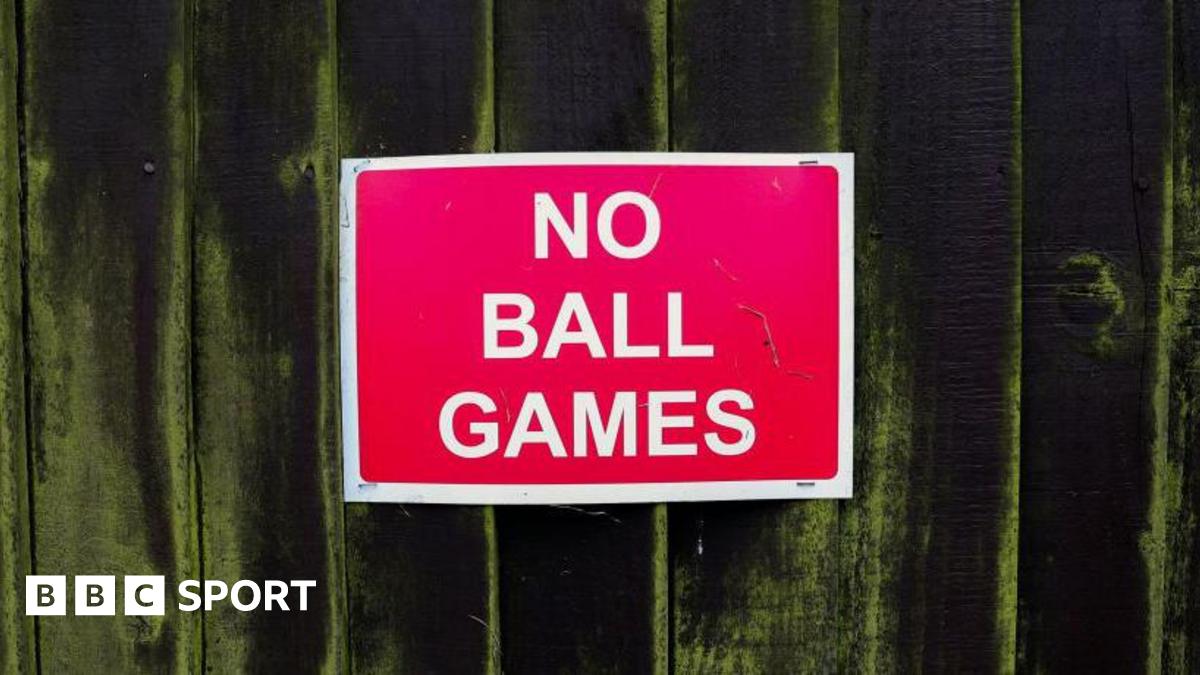
Making PE a core subject in schools and removing unnecessary ‘no ball games’ signs are among the recommendations in a new report looking at barriers to sport and physical activity in England.
The Culture, Media and Sport Committee report highlights “persistent financial pressure, limited facilities, a lack of prioritisation in the school curriculum, and an absence of national co-ordination that prevents the system from operating effectively”.
It calls for a cross-government strategy to deliver a healthier nation, and an increase in funding to boost participation in local communities.
The MPs want spending on sport and recreation to go from the current 0.3% of total government expenditure to at least 0.6% over the next 10 years, claiming that “funding for school and community sport is insufficient and increasingly unstable”.
They also recommend that PE is granted the same status as English, mathematics and science in schools.
The ‘Game On’ report, external urges the government to legislate to require local authorities and housing associations to remove unnecessary ‘no ball games’ signs, “to make public spaces more usable for children’s play.”
Emily Robinson, chief executive of charity London Sport, which has campaigned for the removal of the signs, said the report is “a significant and timely intervention at a critical moment for community sport and physical activity”.
Robinson added: “We are particularly pleased to see recognition of the importance of unlocking the spaces around us – including support for our ‘More Ball Games’ campaign – which shows how small, practical changes can remove barriers and open up opportunities for children and young people to be active.”
London Sport claims 560,000 Londoners are put off by the signs, and that each one removed could make up to 80 children more active.
The MPs also call for women’s football to be exempt from the long-standing restrictions on broadcasting the sport on Saturday afternoons, saying it was “key to inspiring activity” and that ministers should “intervene in discussions” between the football authorities.
In England and Scotland, no matches are currently shown during the ‘3pm blackout’ slot – 2.45pm-5:15pm – to encourage attendance at games.
“Evidence shows that when women’s sport is regularly broadcast, especially on free‑to‑air TV, girls are more likely to feel inspired and motivated to be active,” the report claims.
“A dedicated broadcast slot for women’s football would provide consistent coverage, grow audiences and challenge persistent gender stereotypes.”